- Louise Romanin
- 14 April, 2026
- 12:30 pm
- 0 comments
Waterbug field laboratory
In late March Wildlife Unlimited set up a temporary field laboratory to survey waterbugs in Dolphin Lagoon and Tambo Bluff Lagoon on behalf of the fantastic Tambo Bluff Landcare group near Metung.
Waterbugs (also called aquatic macroinvertebrates) are in important indicator of ecosystem health, with some species tolerant of pollution and others only found in healthy waterways. These small critters are a key part of the aquatic ecosystem. Not only do they help to keep waterways clean by consuming organic matter they are also a highly sought out food source for native fish species, waterbirds, frogs and other animals that use the waterbody.
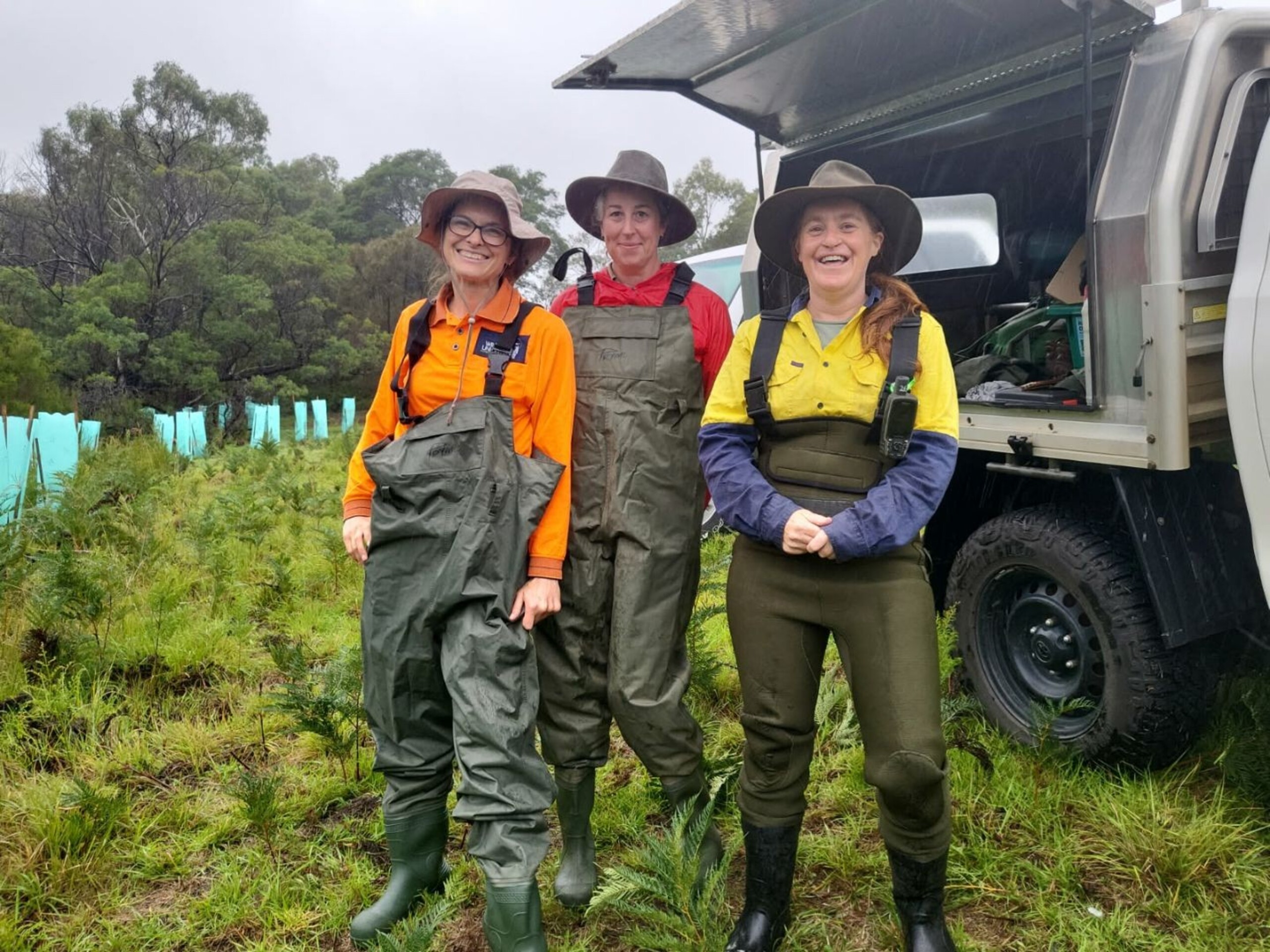
Below: Waterbug sampling from Dolphin Lagoon
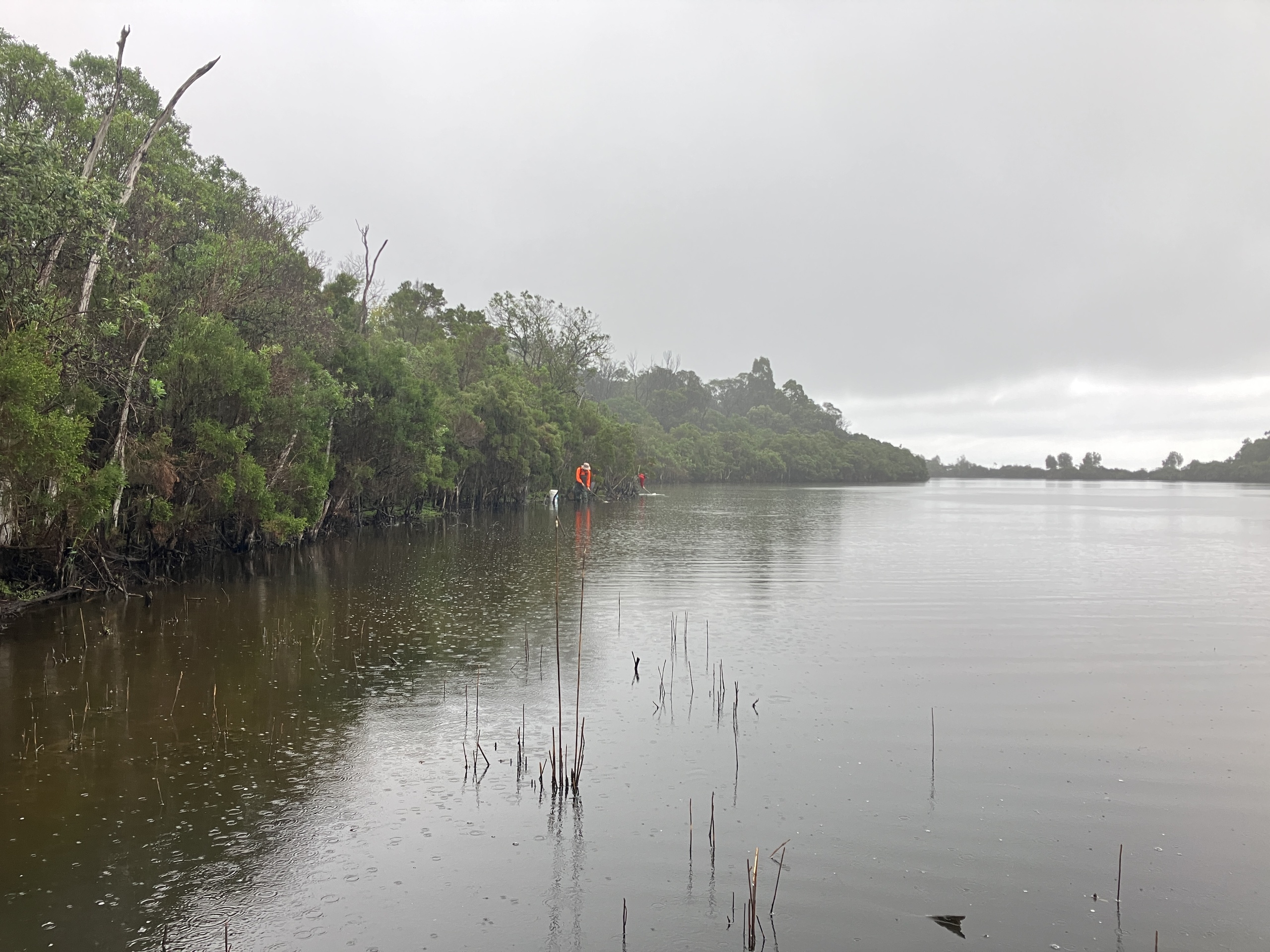
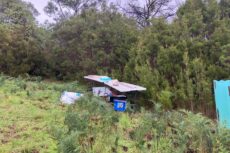
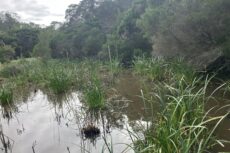
Above: our field laboratory set up near picturesque Bluff Lagoon
Aquatic macroinvertebrates are a great indicator of water quality. Because of their varying degrees of pollution sensitivity, they can help waterway managers understand the health of a river, stream or wetland. A healthy waterway will support a certain range of macroinvertebrate whereas a polluted waterway will likely support different types. For example, stoneflies, mayflies and caddisflies enjoy clean rivers and streams as they are very sensitive to pollution, therefore if found they would likely indicate that the waterway is healthy. If only groups that are very tolerant to pollution are found this may indicate issues with the quality of water in a waterbody. Run-off from surrounding areas, bank erosion and temperature are examples of factors that influence water quality and the kinds of macro-invertebrates that are able to live in a waterway.
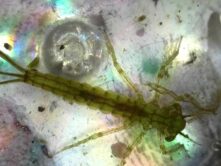
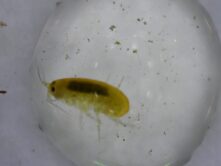
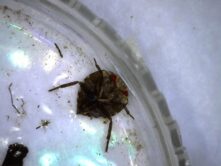
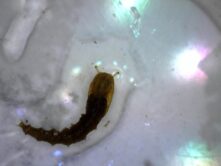
The once freshwater (now variably fresh to brackish) lagoons at Tambo Bluff are pressured by the ever-increasing salinity of the adjoining Gippsland Lakes. Despite this we found a good assemblage of waterbugs in the lagoons.
While out and about the team assisted some of Tambo Bluff’s abundant wildlife off the road and set up several Anabat bat detectors which will record the calls of microbat species using the riparian corridors.