Project news
October – Environmental Education Month
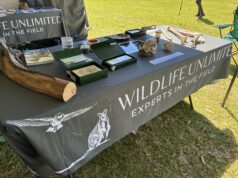
This month, we taught Camp Mallana students about nocturnal animals, local community about waterbugs and celebrated 40 years of Landcare
Biodiversity month recap
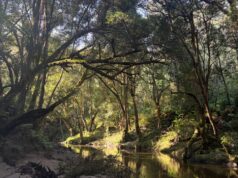
September was Biodiversity Month, but every month is biodiversity month at Wildlife Unlimited.
Looking for Loopers in the Archives
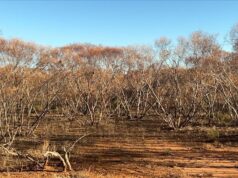
Since 2021, the Mallee Looper has become superabundant across mallee woodlands in South Australia, Victoria, and New South Wales. Has an outbreak like this occurred before? The old newspapers held in the Trove archive gave some strong clues.
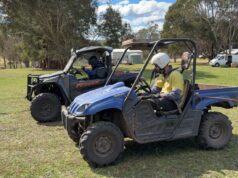
“Revv-viewing” all-terrain driving skills
Some of our ecologists and hunters underwent ATV training recently.
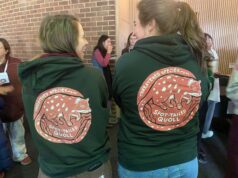
Discussing dasyurids and marvelling about macropods at the Australian Mammal Society conference in Canberra
We attended the Australian Mammal Society and Australasian Bat Society conference in Canberra in July. Here's a very late update!
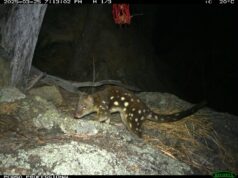
Taking a moment to look back on two years of Spot-tailed Quoll recovery work in East Gippsland
Phase One is complete, and we haven’t stopped thinking about quolls
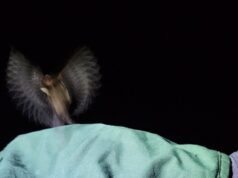
A Lucky Little Bat at Tambo Bluff!
The endangered Horseshoe Bat has been detected in the remnant bushland at Tambo Bluff. This tiny microbat is a remarkable little creature and an exciting detection for the local environment.
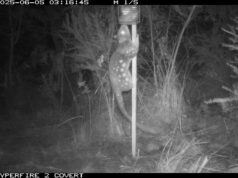
Spot-tailed Quoll recovery in east Gippsland – Bank Australia Impact Grant
We are thrilled to be a recipient of a Bank Australia 2026 Impact grant, allowing us to continue our work with the Spot-tailed Quoll
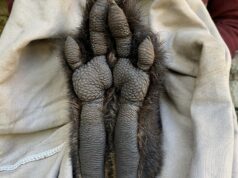
Gotta catch ‘em all – pursuing precious pouched Pokémon
Adventures in Little River Gorge to sample genetics of a rare rock-wallaby
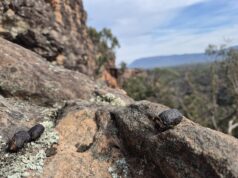
A loo with a view for a number two
Wildlife Unlimited field ecologists had a recent excursion to the Gariwerd-Grampians National Park, on the lookout for southern brush-tailed rock-wallaby scat to increase genetic understanding of the population
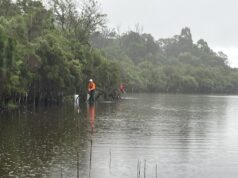
Waterbug field laboratory
In late March Wildlife Unlimited set up a temporary field laboratory to survey waterbugs in Dolphin Lagoon and Tambo Bluff Lagoon on behalf of the fantastic Tambo Bluff Landcare group.
Mallee Looper caterpillar – Research update
The Mallee Looper is a caterpillar belonging to a moth in the Arhodia species complex. These caterpillars are eating their way through thousands of hectares of Mallee Eucalypts.
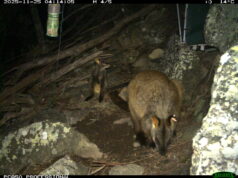
All rock-wallabies survive initial danger period after release into Little River Gorge
We’ve been nervously waiting to find out how the five captive-bred Brush-tailed Rock-wallabies (BTRW) have fared after their release into the wild in July 2025. Remote camera monitoring results are in, and we've seen all five wallabies on camera since their release!
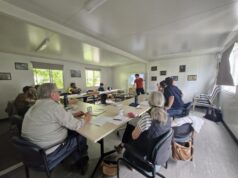
Partnerships Against Foxes – Workshops Complete!
We have held our final workshops as part of the Partnerships Against Foxes program. Representatives from the community and agency staff came together to discuss ways we can approach fox control across East Gippsland
The Mallee Looper that is eating the trees
The Mallee Looper is a caterpillar belonging to a moth in the Arhodia species complex. These caterpillars are eating their way through thousands of hectares of Mallee Eucalypts.
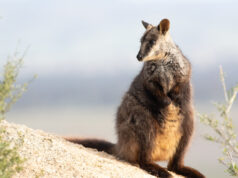
Precious cargo – cliff-dwelling wallabies carried to their new vertical home
With only two colonies of Critically Endangered Brush-tailed Rock-wallabies left in the wild, the Wildlife Unlimited team are playing a big part in their survival.
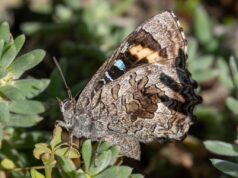
The butterflies are nearly here!
Meanwhile, in the Mallee … Wildlife Unlimited ecologist, Fiona Murdoch is anxiously awaiting the emergence of the Mallee Bronze Azure butterflies.
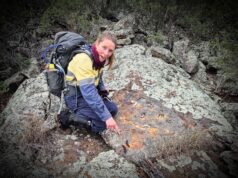
The Latrine Scene: What quoll scats tell us about survival
After travelling six hours to reach the upper Snowy River region of East Gippsland, Wildlife Unlimited field ecologists found what they were looking for - evidence of a Spot-tailed Quoll.
- 1
- 2
Upcoming Events
There are no upcoming events.